
Empowering Vulnerable Communities Through Integrated Support
Project Overview
The Sudan Integration Development Project represents a comprehensive multi-sector initiative designed to restore hope and rebuild lives for conflict-affected communities in Blue Nile and Greater Kordofan States. This ambitious project demonstrates how integrated humanitarian programming can address multiple challenges simultaneously, creating lasting impact across entire communities.
Project Details:
Location: Blue Nile and Greater Kordofan States, Sudan
Duration: 18 months (November 2020 – May 2022)
Beneficiaries: 91,400 vulnerable individuals
Target Groups: IDPs, returnees, refugees, and host communities
Approach: Integrated Food Security & Livelihoods (FSL), Education, WASH, Health, and Protection interventions
Our Integrated Approach
This project exemplifies SANA Foundation’s holistic methodology, addressing interconnected challenges through coordinated interventions across five critical sectors:
Water, Sanitation & Hygiene (WASH)
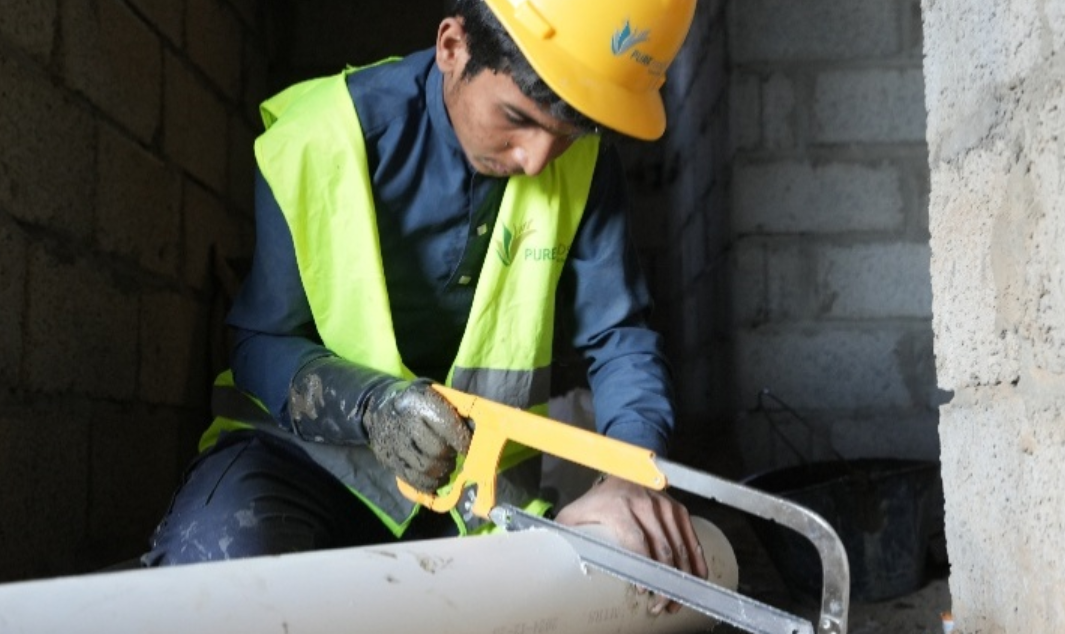
• 3 water yards rehabilitated providing clean water access to 5,184 people
• 30 solar operators trained on system maintenance and operation
• 40 water quality tests conducted ensuring safe drinking water
• 4 school latrines constructed improving sanitation for 1,492 students and 83 teachers
Health & Nutrition
• Medical supplies distributed to 14 health facilities (4,295 soaps, 2,040 face masks, 2,666 sanitizers)
• 4 EPI vaccination campaigns reaching 1,650 children against preventable diseases
• 90 healthcare workers trained on sustainable health services and community outreach
• 50 community awareness sessions conducted on health and hygiene practices
Education
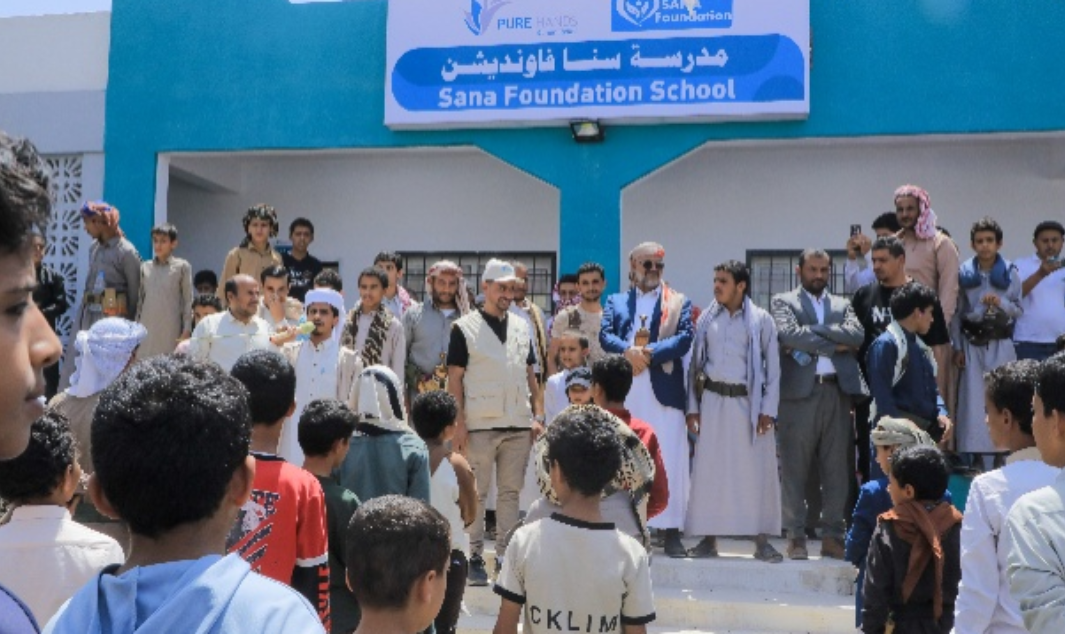
• 6 schools rehabilitated benefiting 2,364 students and 91 teachers
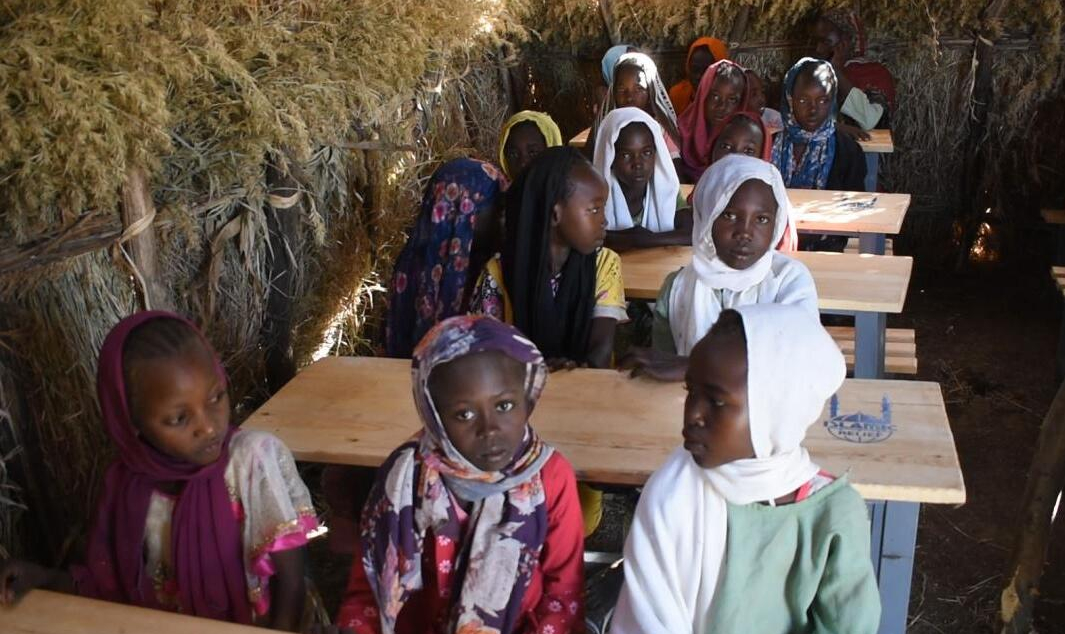
• 1,100+ school seats provided creating proper learning environments
• 23,850+ textbooks distributed supporting educational continuity
• 80 teachers trained on subject matter and school management
• 23 handwashing facilities installed in schools promoting hygiene
Food Security & Livelihoods
• 800 goats distributed to 267 households for livestock asset building
• 3 female irrigation groups established supporting 75 women with water pumps and seeds
• 180 agricultural extension agents trained on improved farming techniques
• 125 farmers supported with improved seeds and agricultural tools
• 1,500 animals vaccinated protecting community livestock assets
Capacity Building & Protection
• 120 community health workers trained in strengthening local healthcare systems
• 60 animal health workers equipped with tools and knowledge
• School health clubs established promoting child welfare and protection
• Community leadership training in resource management and environmental awareness
Transforming Lives Through Integration
Immediate Impact: The project’s integrated approach creates immediate relief while building foundations for long-term stability. Families receive emergency support while simultaneously gaining skills and resources for sustainable livelihoods.
Community Empowerment: By training local community members as health workers, teachers, and agricultural agents, the project builds local capacity that continues long after implementation ends.
Resilience Building: The combination of infrastructure development (water systems, schools, health facilities) with skills training and livelihood support creates resilient communities better equipped to withstand future shocks.
Key Achievements by the Numbers
Education Sector:
• 6 schools fully rehabilitated
• 2,364 students benefiting from improved learning environments
• 1,100+ new school seats providing dignity in education
• 23,850+ textbooks ensuring access to learning materials
Health Sector:
• 14 health facilities strengthened with supplies and equipment
• 1,650 children vaccinated against preventable diseases
• 90 healthcare workers trained for sustainable service delivery
• 2,560 individuals reached through health awareness sessions
WASH Sector:
• 5,184 people gaining access to clean water
• 30 water system operators trained for sustainability
• 1,492 students and 83 teachers benefiting from improved school sanitation
Livelihoods Sector:
• 267 households receiving livestock for asset building
• 180 agricultural workers trained on improved techniques
• 75 women empowered through irrigation farming groups
• 1,500 animals protected through vaccination campaigns
Sustainability and Long-Term Impact
Local Ownership: All interventions were implemented in close coordination with government authorities and local communities, ensuring sustainability and local ownership.
Capacity Building: Rather than creating dependency, the project focused on building local capacity through training programs that continue to benefit communities.
Integrated Systems: By addressing multiple sectors simultaneously, the project created interconnected systems of support that reinforce each other’s impact.